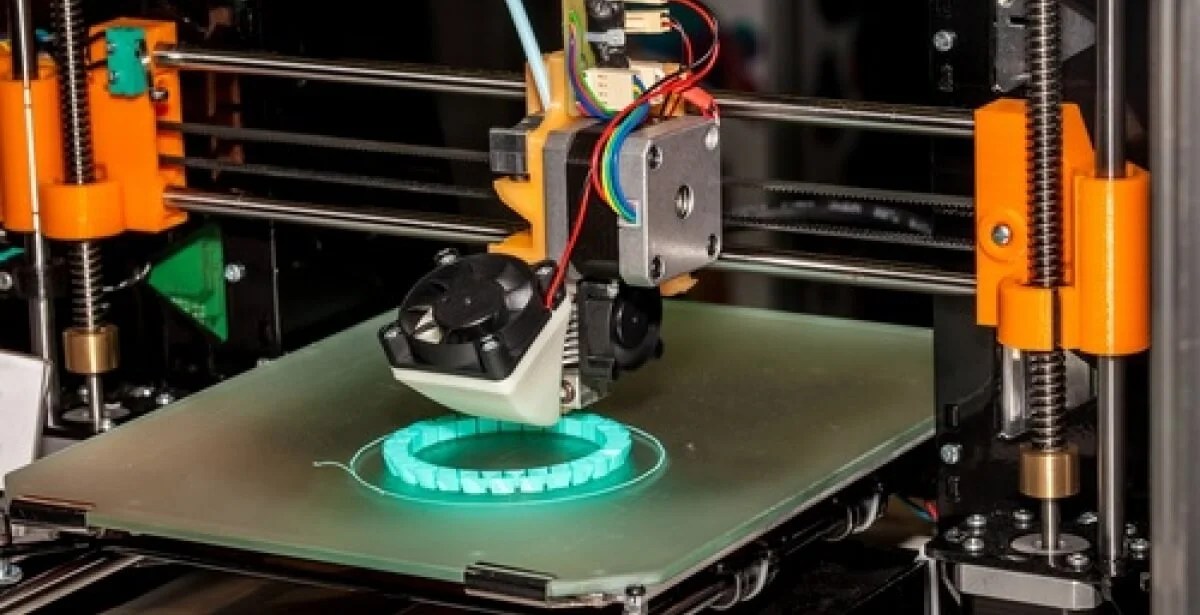
Embark on a journey through the world of 3D printing in engineering, where innovation meets practicality and creativity knows no bounds. Get ready to explore the fascinating realm of additive manufacturing in this captivating narrative filled with insights and excitement.
Delve deeper into the advancements, materials, and industry adaptation that shape the landscape of 3D printing in engineering, uncovering a world of possibilities waiting to be discovered.
Overview of 3D Printing in Engineering
D printing in engineering refers to the process of creating three-dimensional objects from a digital file using additive manufacturing techniques. This technology has revolutionized the way engineers design and produce prototypes, parts, and components for various applications across different engineering fields.
Applications of 3D Printing in Engineering
- Prototyping: 3D printing allows engineers to quickly create prototypes of products and parts, reducing time and costs involved in the design phase.
- Customized Components: In fields like aerospace and automotive engineering, 3D printing enables the production of customized components with complex geometries that are difficult to achieve using traditional manufacturing methods.
- Medical Engineering: 3D printing is used to create patient-specific implants, prosthetics, and surgical instruments, leading to more personalized and effective healthcare solutions.
- Architecture and Construction: Engineers utilize 3D printing to fabricate architectural models, building components, and even entire structures, showcasing the potential for innovative design and construction techniques.
Benefits and Challenges of Using 3D Printing in Engineering Projects
- Benefits:
- Rapid Prototyping: Accelerates the product development cycle.
- Cost-Effective: Reduces material waste and tooling expenses.
- Design Flexibility: Allows for intricate and customized designs.
- On-Demand Production: Enables just-in-time manufacturing.
- Challenges:
- Material Limitations: Limited material options compared to traditional manufacturing processes.
- Quality Control: Ensuring consistent quality and reliability of printed parts.
- Post-Processing Requirements: Additional steps may be needed to achieve the desired finish or properties.
- Intellectual Property Concerns: Challenges related to copyright and patent issues in the digital manufacturing landscape.
Advancements in 3D Printing Technology
D printing technology has seen remarkable advancements in recent years, revolutionizing the engineering industry. From improved materials to faster printing speeds, the innovations in this field have opened up new possibilities for engineers and manufacturers alike.
Metal 3D Printing
Metal 3D printing has emerged as a game-changer in the engineering sector. With the ability to print intricate metal parts with high precision, this technology has transformed how components are produced. Traditional methods like casting and machining are now being replaced by metal 3D printing, offering greater design flexibility and faster production times.
Bioprinting
Bioprinting is another groundbreaking advancement in 3D printing technology, particularly in the field of biomedical engineering. This technique allows for the printing of living tissues and organs using specialized bio-inks. The potential for creating patient-specific implants and tissues holds promise for the future of healthcare and personalized medicine.
Continuous Carbon Fiber 3D Printing
Continuous carbon fiber 3D printing has gained traction in the aerospace and automotive industries due to its superior strength and lightweight properties. This technology combines carbon fiber reinforcement with traditional 3D printing methods, resulting in durable parts that are ideal for high-performance applications. The ability to create complex geometries with continuous carbon fiber composites has revolutionized the way engineers approach design and manufacturing processes.
Efficiency and Cost-Effectiveness
When comparing traditional manufacturing methods with 3D printing techniques, it’s evident that 3D printing offers significant advantages in terms of efficiency and cost-effectiveness. With 3D printing, complex geometries can be produced in a single step, reducing the need for assembly and minimizing material waste. Additionally, the ability to print on-demand and customize parts according to specific requirements streamlines the production process and eliminates the need for large inventories.
While the initial setup costs for 3D printing may be higher than traditional methods, the overall cost savings in terms of production time and material usage make it a more economical choice in the long run.
Materials Used in 3D Printing for Engineering
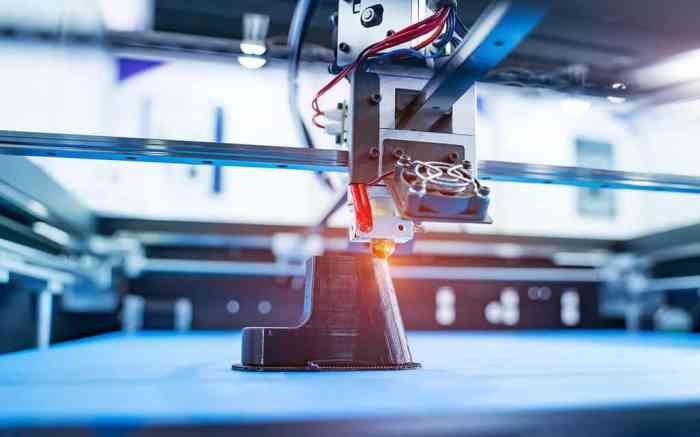
D printing in engineering relies on a variety of materials to create functional and durable components. The choice of material can significantly impact the performance and characteristics of the final product.
Common Materials Utilized in 3D Printing for Engineering
- 1. ABS (Acrylonitrile Butadiene Styrene): ABS is a popular thermoplastic polymer known for its toughness and impact resistance. It is commonly used in engineering applications requiring durability and strength.
- 2. PLA (Polylactic Acid): PLA is a biodegradable and environmentally friendly material. It is suitable for prototyping and creating intricate designs due to its low warping properties.
- 3. Nylon: Nylon is a versatile material with high strength and flexibility. It is often used in applications requiring impact resistance and durability.
- 4. PETG (Polyethylene Terephthalate Glycol): PETG combines the strength of ABS with the ease of printing of PLA. It is ideal for parts that need to withstand mechanical stress.
- 5. TPU (Thermoplastic Polyurethane): TPU is a flexible filament that is resistant to abrasion and wear. It is commonly used in applications requiring elasticity and shock absorption.
Properties and Suitability of Materials in 3D Printing
- ABS: Known for its toughness and impact resistance, making it suitable for functional parts and prototypes that require durability.
- PLA: Biodegradable and easy to print, ideal for rapid prototyping and creating intricate designs with low warping properties.
- Nylon: Offers high strength and flexibility, making it suitable for applications requiring impact resistance and durability.
- PETG: Combines strength and ease of printing, making it ideal for parts that need to withstand mechanical stress.
- TPU: Flexible and resistant to abrasion, ideal for applications requiring elasticity and shock absorption.
Impact of Material Selection on Quality and Durability
The choice of material in 3D printing for engineering directly impacts the quality and durability of the final product. Using the right material ensures that the component meets the necessary performance requirements and can withstand the intended application.
Case Studies and Examples
In recent years, 3D printing has revolutionized various engineering sectors by offering innovative solutions in design and manufacturing processes. Let’s explore some real-world examples of successful applications of 3D printing in engineering projects.
Automotive Industry
- One prominent example is how automakers like BMW and Ford have utilized 3D printing to produce complex parts and prototypes for their vehicles. This technology has enabled them to reduce production time and costs significantly.
- Additionally, companies like Local Motors have even 3D printed entire cars, showcasing the potential of this technology in the automotive industry.
Aerospace Sector
- NASA has been a pioneer in incorporating 3D printing technology in its projects. They have successfully used this technology to manufacture rocket engine components and even food for astronauts in space.
- SpaceX, under the leadership of Elon Musk, has also embraced 3D printing for producing parts for its spacecraft, such as the SuperDraco rocket engine.
Medical Field
- In the medical field, 3D printing has been a game-changer, allowing for the creation of patient-specific implants and prosthetics. Companies like Stryker have leveraged this technology to develop custom implants for patients, leading to better outcomes in surgeries.
- Researchers have also used 3D printing to create models of organs for surgical planning and training, enhancing the precision and effectiveness of medical procedures.
Engineering Industry Adaptation to 3D Printing
The engineering industry is rapidly adapting to the integration of 3D printing technology, revolutionizing the way products are designed and manufactured.
Training and Skill Requirements for Engineers
- Engineers need to acquire specialized training in 3D printing technologies to effectively utilize them in their projects.
- Understanding the principles of additive manufacturing and CAD software is crucial for engineers to create complex designs for 3D printing.
- Hands-on experience with different types of 3D printers and materials is essential for engineers to optimize the printing process and achieve high-quality results.
Future Prospects of 3D Printing in Engineering
- 3D printing is poised to disrupt traditional manufacturing processes in the engineering industry, offering increased flexibility and customization.
- The adoption of 3D printing is expected to streamline prototyping and production, reducing lead times and costs for engineering projects.
- As the technology continues to advance, we can expect to see more complex and functional parts being produced through 3D printing in various engineering sectors.
Outcome Summary
As we conclude this exploration of 3D printing in engineering, it’s evident that the future is bright and filled with endless opportunities for innovation and growth. From groundbreaking technologies to transformative applications, the impact of 3D printing in engineering is truly revolutionary.
Helpful Answers
What are some key benefits of using 3D printing in engineering projects?
Some key benefits include faster prototyping, cost-effectiveness, complex design capabilities, and customized solutions for specific engineering needs.
How has 3D printing technology evolved over the years in the engineering industry?
3D printing technology has evolved from basic prototyping to advanced manufacturing processes, offering improved speed, accuracy, and material options for engineers.
What are some common materials used in 3D printing for engineering applications?
Common materials include ABS, PLA, nylon, metals like titanium and aluminum, and specialized materials for high-performance engineering components.
How is the engineering industry adapting to the integration of 3D printing technology?
The engineering industry is embracing 3D printing for rapid prototyping, customized parts production, and streamlined manufacturing processes, leading to increased efficiency and innovation.
What are the future prospects of 3D printing in reshaping the engineering industry?
The future holds immense potential for 3D printing to revolutionize the engineering industry further by enabling on-demand production, sustainable practices, and enhanced product development cycles.


